Why HA GIANG ?
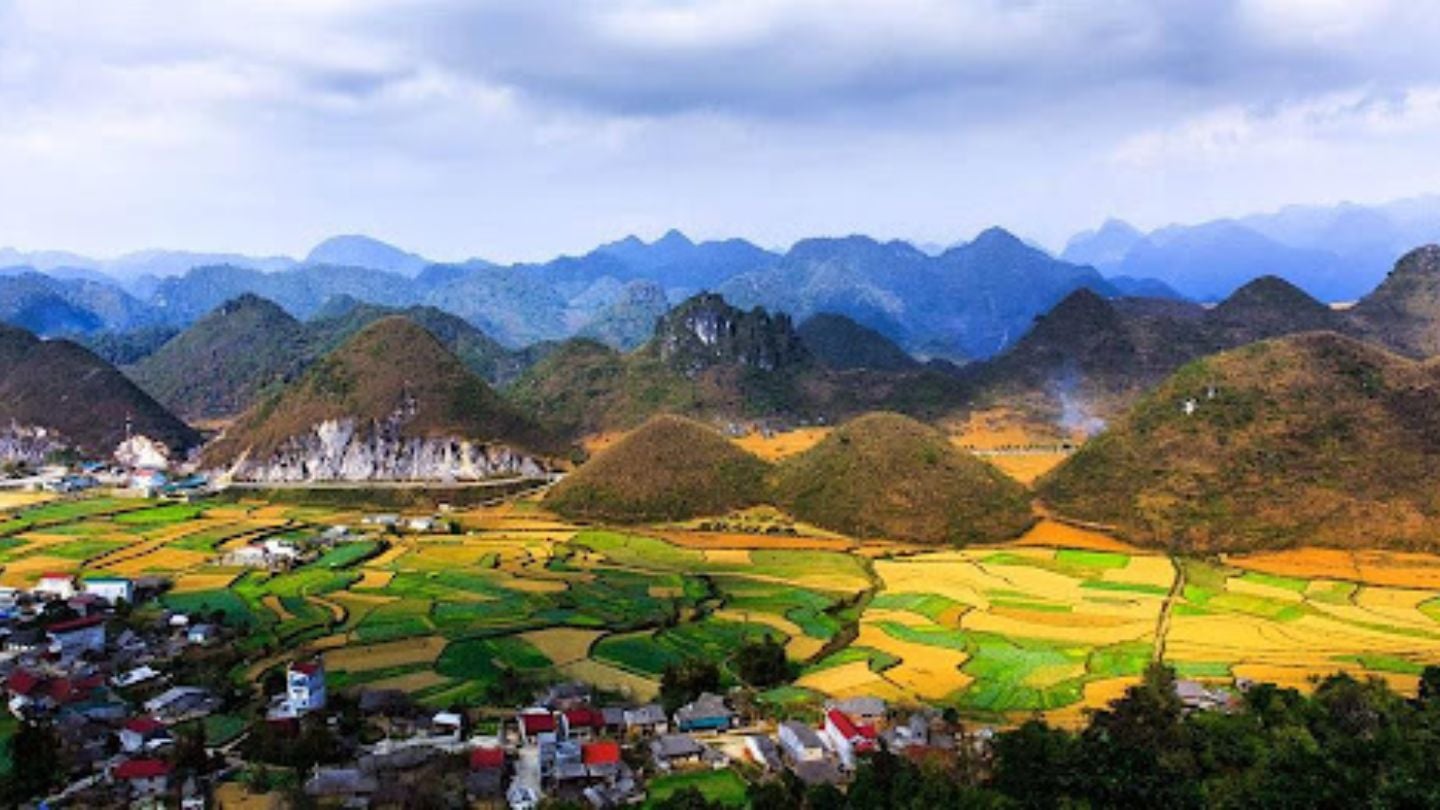
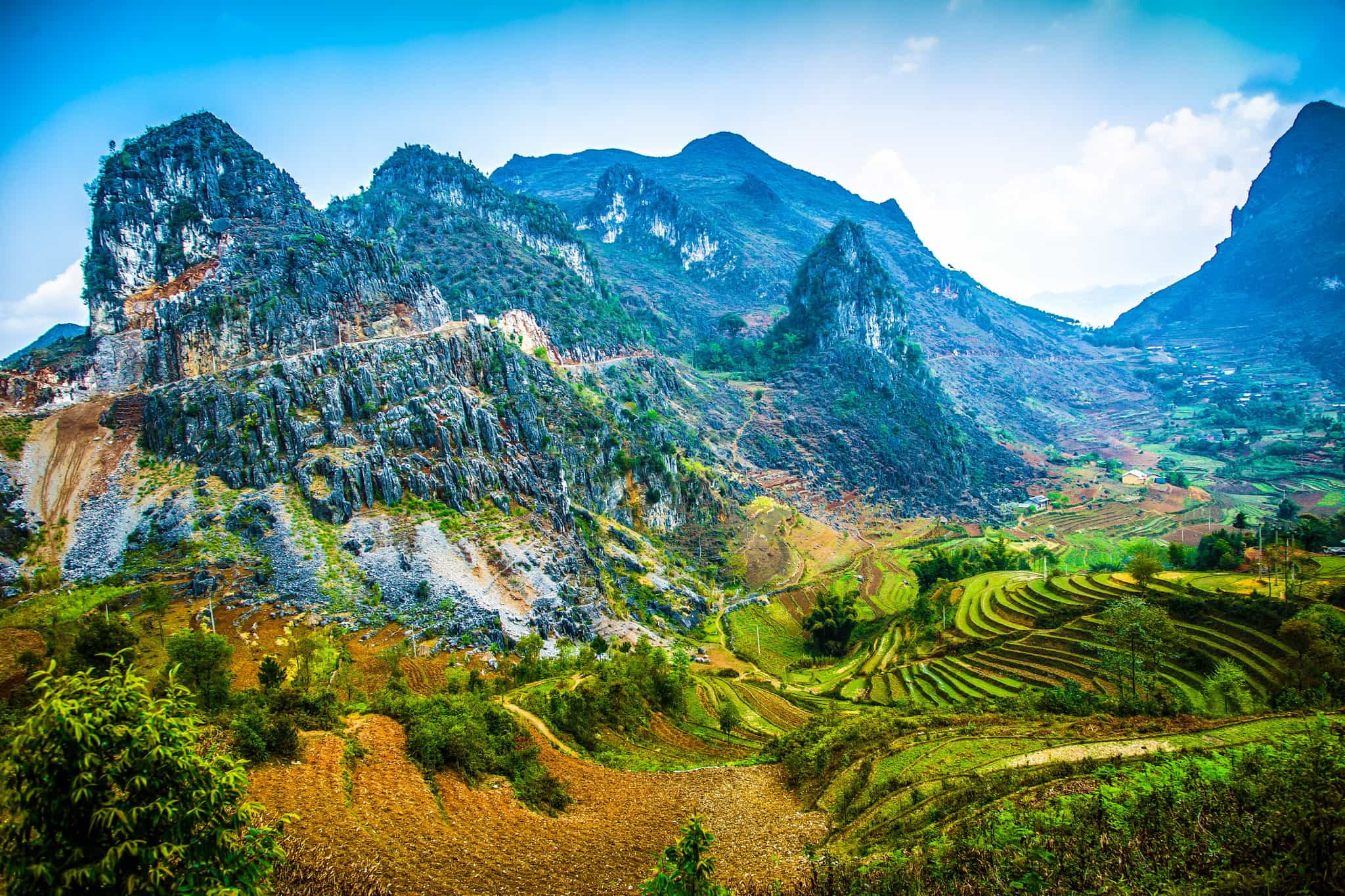
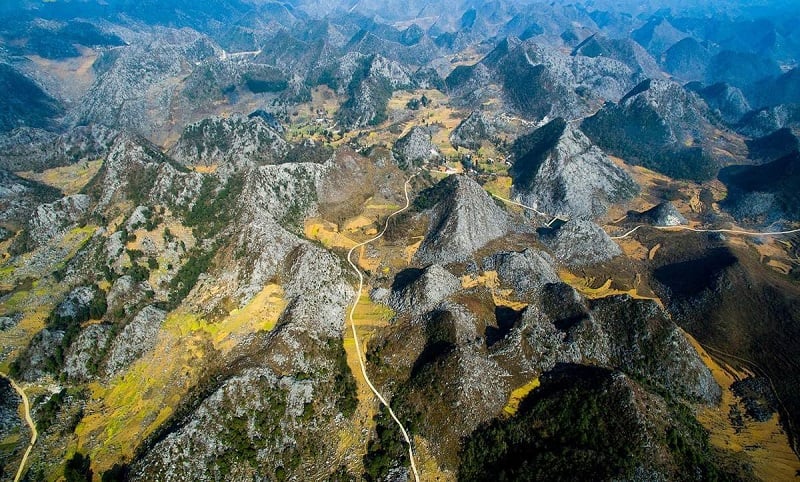
Ha Giang, located in the far north of Vietnam, is one of the country’s most spectacular and untouched destinations. Known for its dramatic mountain landscapes, winding roads, and vibrant ethnic cultures, Ha Giang offers an authentic and adventurous travel experience. From the legendary Ma Pi Leng Pass to the breathtaking Dong Van Karst Plateau (UNESCO Global Geopark), this region showcases the raw beauty of nature and the rich traditions of local communities. Ha Giang is the perfect destination for travelers seeking adventure, cultural immersion, and unforgettable scenery in Northern Vietnam. The best time to visit Ha Giang is from September to November (golden rice season) and October to December (buckwheat flower season). Spring (March – April) is also beautiful with blooming flowers and pleasant weather.
Top Things to Do in Ha Giang
1. Conquer Ma Pi Leng Pass
Known as one of the most beautiful mountain passes in Vietnam, Ma Pi Leng offers jaw-dropping views of deep valleys and the emerald Nho Que River. The winding road along the cliffs provides an unforgettable driving experience.
2. Explore Dong Van Karst Plateau (UNESCO Global Geopark)
This unique geological area is famous for its rugged limestone formations, ancient rock layers, and dramatic landscapes. It is also home to diverse ethnic minority communities with rich cultural traditions.
3. Visit Dong Van Old Quarter
Step into a charming old town with traditional houses made of clay and stone. The area comes alive during the weekend market, where local ethnic groups gather to trade goods and socialize.
4. Discover Lung Cu Flag Tower – Vietnam’s Northernmost Point
Standing proudly at the top of Dragon Mountain, Lung Cu Flag Tower marks the northernmost point of Vietnam. From here, you can enjoy panoramic views of the surrounding mountains and villages.
5. Cruise on Nho Que River
A boat trip along the Nho Que River offers a peaceful perspective of the majestic Tu San Canyon, the deepest canyon in Southeast Asia.
6. Experience Ethnic Culture & Local Life
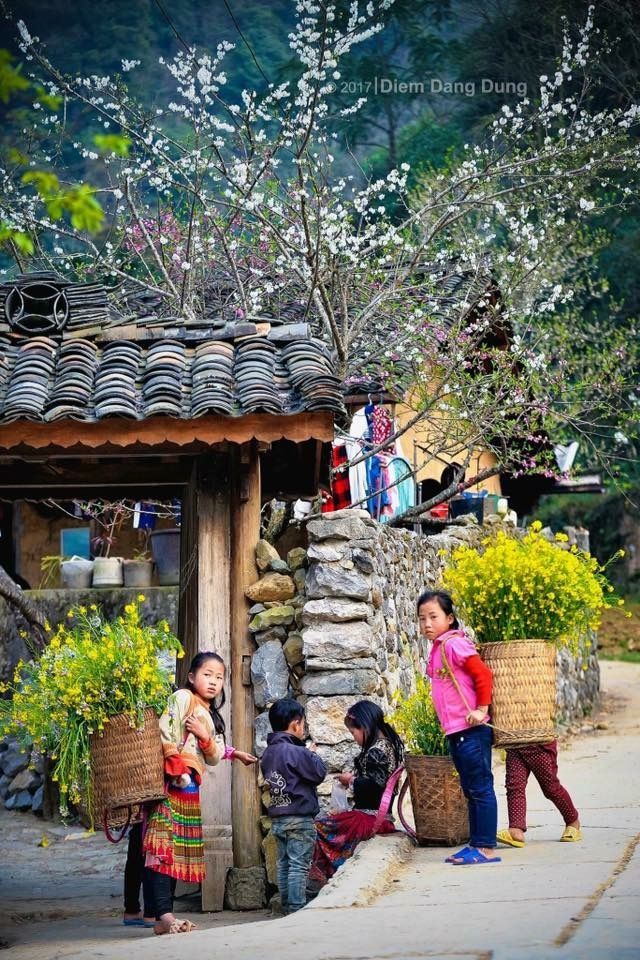
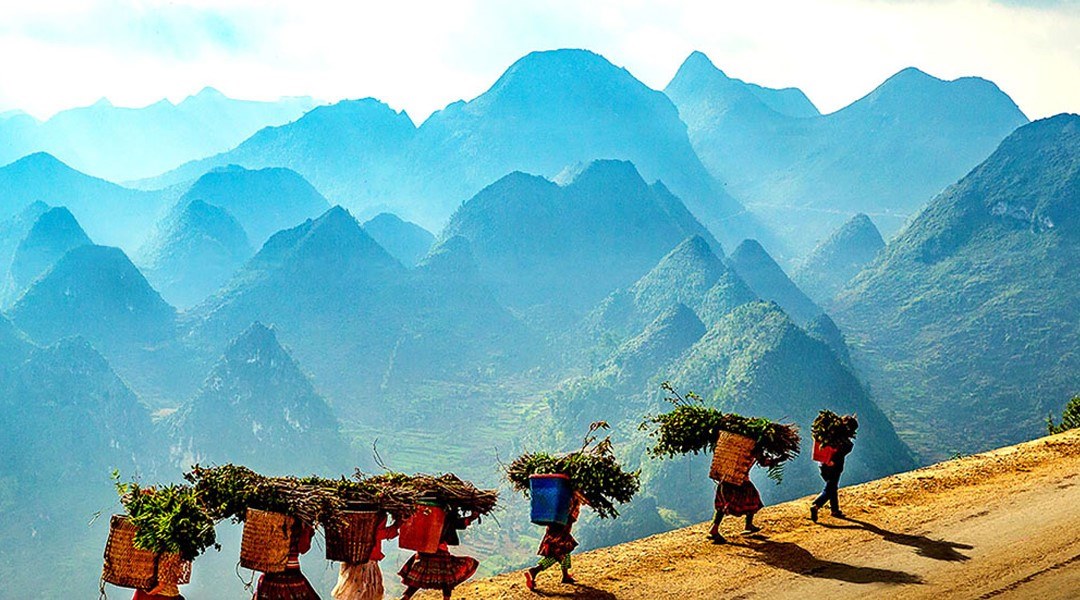
Ha Giang is home to many ethnic groups such as H’mong, Tay, Dao, and Lo Lo. Visitors can experience authentic local life, traditional markets, unique costumes, and cultural customs that have been preserved for generations.
MORE INFORMATION

máy bay
mô tả
HA GIANG LOOP ADVENTURE
3 Days 2 Nights
HA GIANG
Tour Highlights
- Conquer the legendary Ma Pi Leng Pass – one of Vietnam’s most stunning mountain roads
- Cruise along the emerald waters of Nho Que River through Tu San Canyon
- Discover the raw beauty of the Dong Van Karst Plateau (UNESCO Global Geopark)
- Swim at the refreshing Du Gia Waterfall
- Experience authentic life of ethnic minorities: H’mong, Tay, Dao…
- Ride through breathtaking landscapes over 375 km of mountain roads
Tour Style
- Small group (max 8–11 pax)
- Local experienced riders & English-speaking guide
- Authentic homestay + cultural experiences
- Adventure level: Moderate